

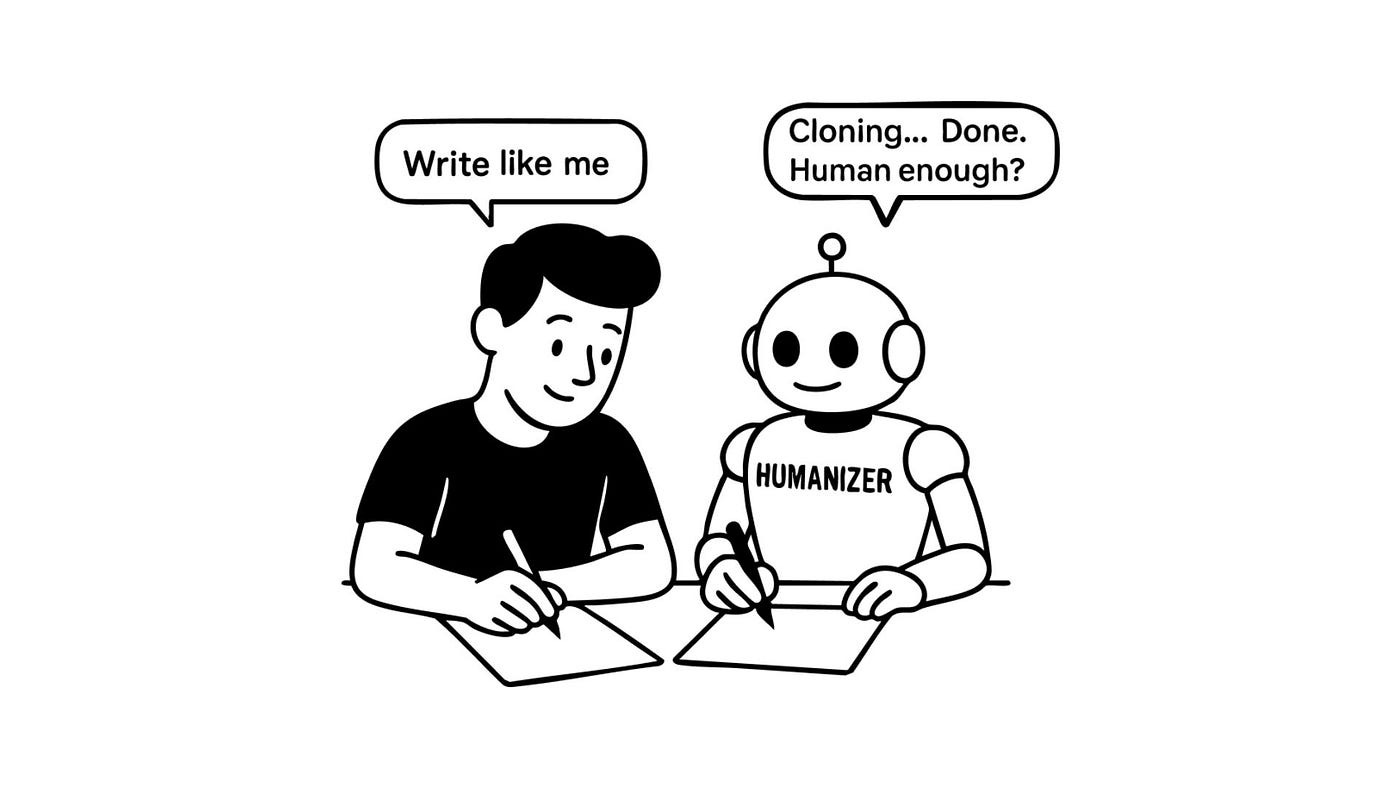
Back in 2023, OpenAI released an AI classifier that was supposed to detect AI-written text. But it didn’t work well. Their own data showed that it only correctly flagged AI-generated content about 26% of the time. Even worse, it sometimes marked human writing as AI. Because of this, they eventually pulled the tool down.
In 2024, Google introduced a different idea. They used invisible watermarks embedded in AI-generated content to help track its origin. They call it SynthID. It was an interesting approach, but like most watermarks, it could be removed or manipulated. So it wasn’t very useful in the long run either.
At the same time, the world had seen a flood of AI content online. And with that, a lot of tools claim they can rewrite or “humanize” AI text. Well, most of them don’t work well anymore. AI detectors are getting smarter and constantly learning how these tools rewrite content. The moment a humanizer becomes popular, it usually gets flagged.
But there’s a new tool that takes a different approach.