

It’s been a couple of days since OpenAI quietly launched the GPT Image 2.5 image model. It’s an iterative upgrade, and it solves some of the biggest concerns users had with the previous model: speed, consistency, and context awareness.
Those aren’t the only complaints people had about GPT Image 2.0, but they came up the most. Generations took a while. Your subject stopped looking like your subject after one edit. And the image got worse the longer a conversation went on.
Here’s a quick list of the four major improvements:
Faster generation, up to 50% lower latency than Images 2.0
Better fidelity, so people and objects from your reference photos stay recognizable
Consistent details across multiple edits
Comment-based editing, so you can point at a spot instead of describing it
I figured the best way to understand the improvements is to test the model directly inside a unified platform.
Over the past several months, Pollo AI has become one of my go-to platforms for generative image and video projects. It was super helpful and allows me to have a seamless workflow. I don’t need to switch between tabs. I can test different models under the exact same conditions, with fast generation speeds and low credit consumption.
What’s new in GPT Image 2.5
OpenAI’s announcement is mostly about editing rather than generation. The pitch is that you can get an image roughly right, then adjust it repeatedly without the model quietly wrecking the parts you liked.
Here’s what that breaks down into.
Speed. Generation latency dropped by up to 50% compared to Images 2.0. Manus, one of the partners who tested it before launch, reported Flare running two to four times faster than the previous model in its own evaluations.
Reference fidelity. This is the one I care most about. Images 2.0 would take your photo, drop your subject into a new setting, and hand back someone who looked like your cousin instead of you. Image 2.5 keeps distinctive features intact, with more natural lighting and richer textures, so subjects stay recognizable across new styles and compositions.
Multi-turn consistency. In a longer conversation, each new edit builds on the last one instead of degrading it. Anyone who has done six rounds of edits and watched the quality slide knows why that’s worth something.
Comment-based editing. You can drop a comment directly on a spot in the image and say what to change there. No more writing a paragraph trying to explain which of the three people in frame you meant.
For developers, Flare is the default for most work, and Sunburst is the precision option for edit-heavy jobs, at the cost of longer generation times.
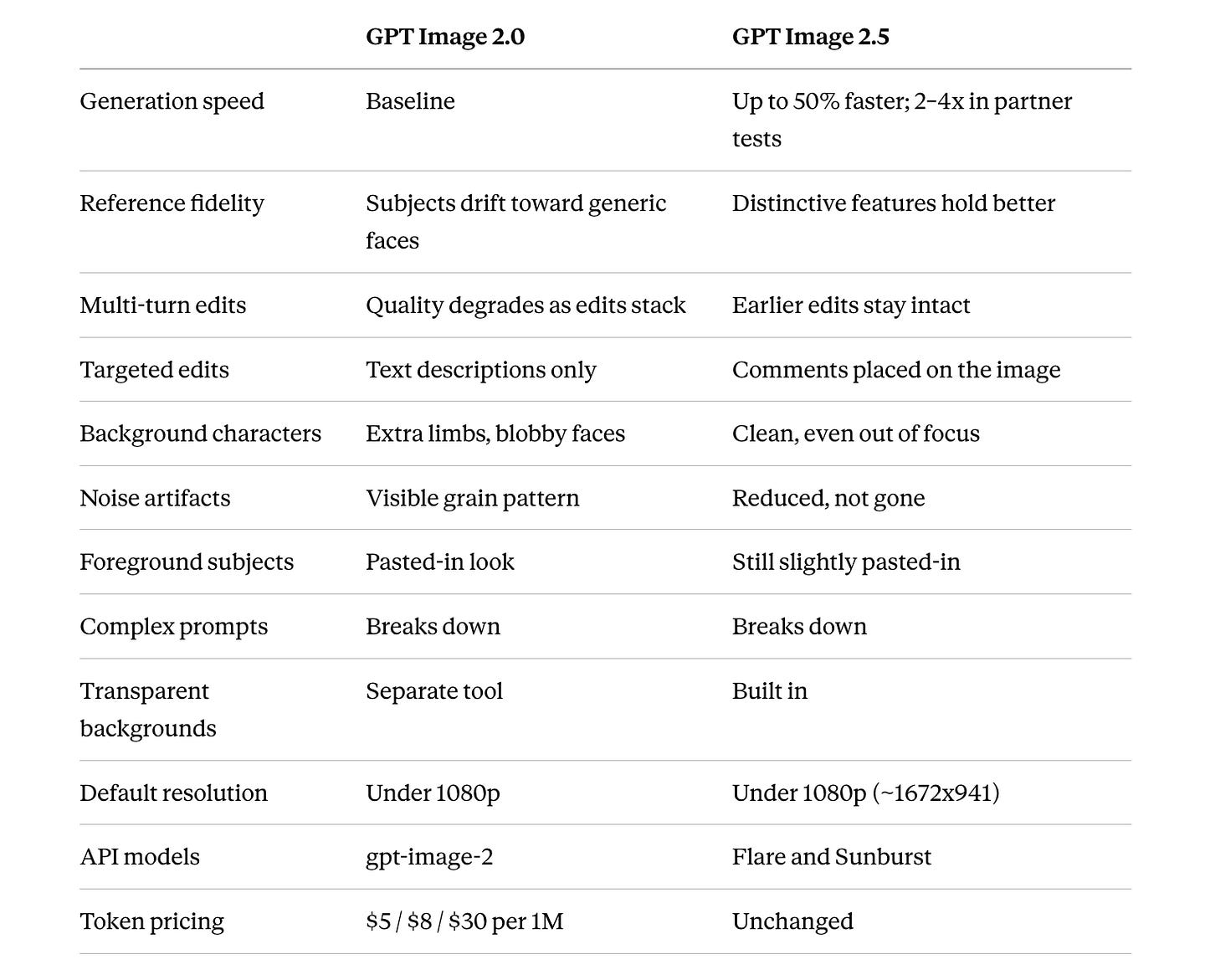
The benefit of using a platform like Pollo AI is that you do not have to worry about managing raw API tokens or calculating cost per image across Flare and Sunburst tiers.
Pollo AI handles the integration behind a clean interface, letting you focus entirely on your prompt, your reference images, and your creative output.
How to Test Both Models on Pollo AI
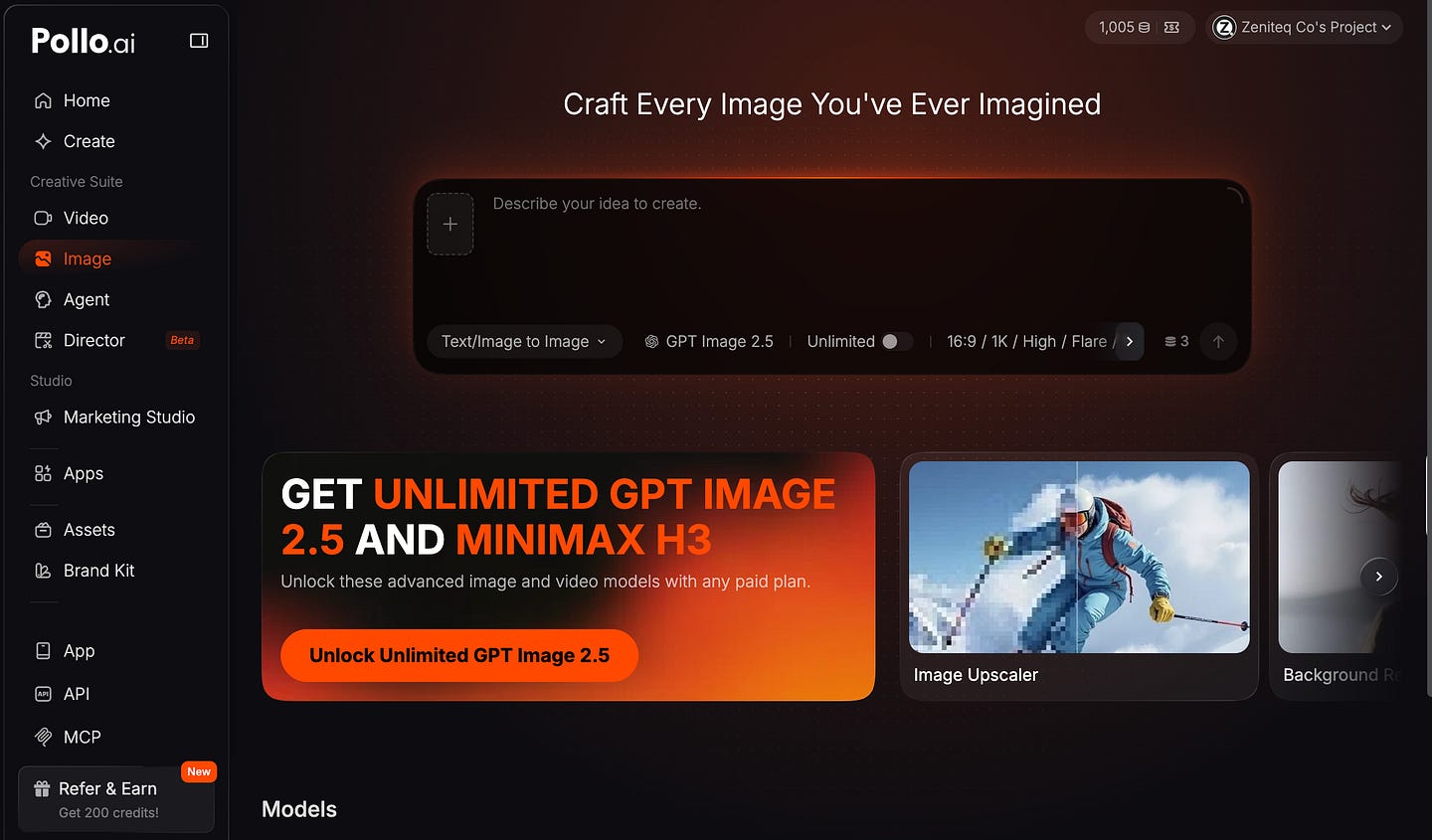
If you want to run these benchmarks yourself or build your own side-by-side comparisons, setting it up in Pollo AI takes just a few clicks. Open Pollo AI and, under the Image tab, pick GPT Image 2.5 from the model dropdown.
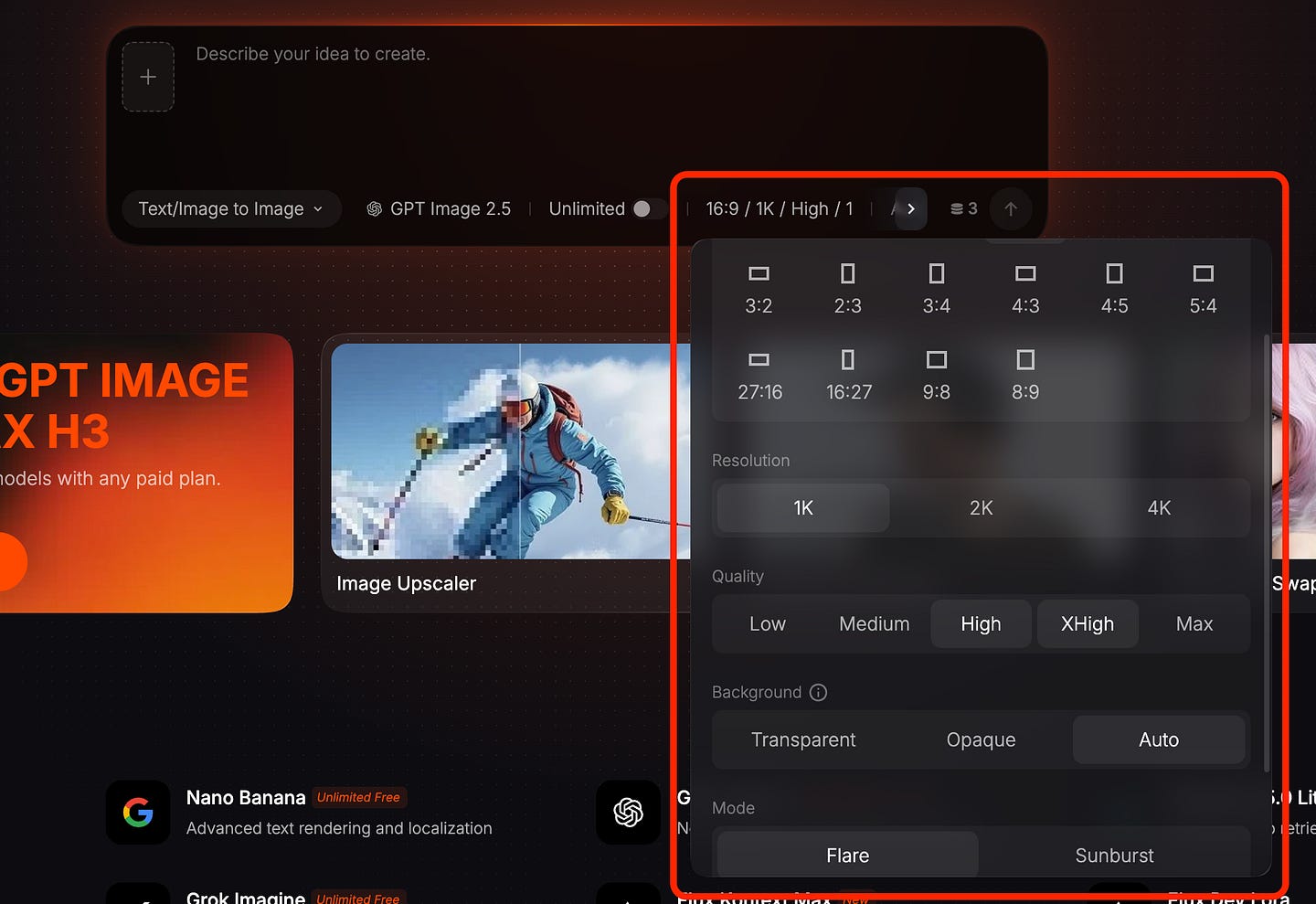
What I like about Pollo AI’s image generator tool is the rich amount of editing options there are. Aside from a handful of image models supported, you can see a bunch of image setting controls in the menu below.
Before typing your prompt, decide on your canvas specs.
Aspect Ratio: Choose between 1:1 square, 16:9 widescreen, 9:16 vertical, or custom dimensions depending on whether you are creating for mobile, desktop, or print.
Resolution and Quality: Set your resolution to 1K or higher. When running serious comparative tests, always ensure both models are set to the identical quality level so your latency and fidelity checks remain fair.
Paste your descriptive text prompt into the input box. If your test involves subject consistency or facial likeness, click the “+” button right beside the prompt box to attach your reference image.
One quick tip based on my experience: crop your reference photo closely around the face or the primary product before uploading. This gives the model a clear signal on which features matter most, reducing background noise from the reference file.
You can adjust the background and also switch to different modes (in this case, GPT Image 2.5 supports either Flare or Sunburst mode).
Pollo AI keeps your generation history organized directly in the workspace, so you do not have to download files to external folders just to compare them. That’s it. You can also add the image reference file by clicking on the “+” button.
Now, let’s get into the demo.
GPT Image 2.5 vs GPT Image 2.0: Practical Comparison
Four prompts, one per improvement. Let’s run each in Image 2.5 and Image 2.0 with the same inputs and compare.
Test 1: Speed
Prompt: A wide-angle photograph of a busy night market in Bangkok, shot at eye level with a 35mm lens. Steam rising from a noodle stall in the foreground, string lights overhead, a crowd of about fifteen people moving through the frame at different distances, wet pavement reflecting neon signage in Thai script. Shallow depth of field on the foreground vendor, everything behind falling gradually out of focus.
Image generated with GPT Image 2.5 (Quality: High, Resolution: 1K, Duration: 27 seconds).
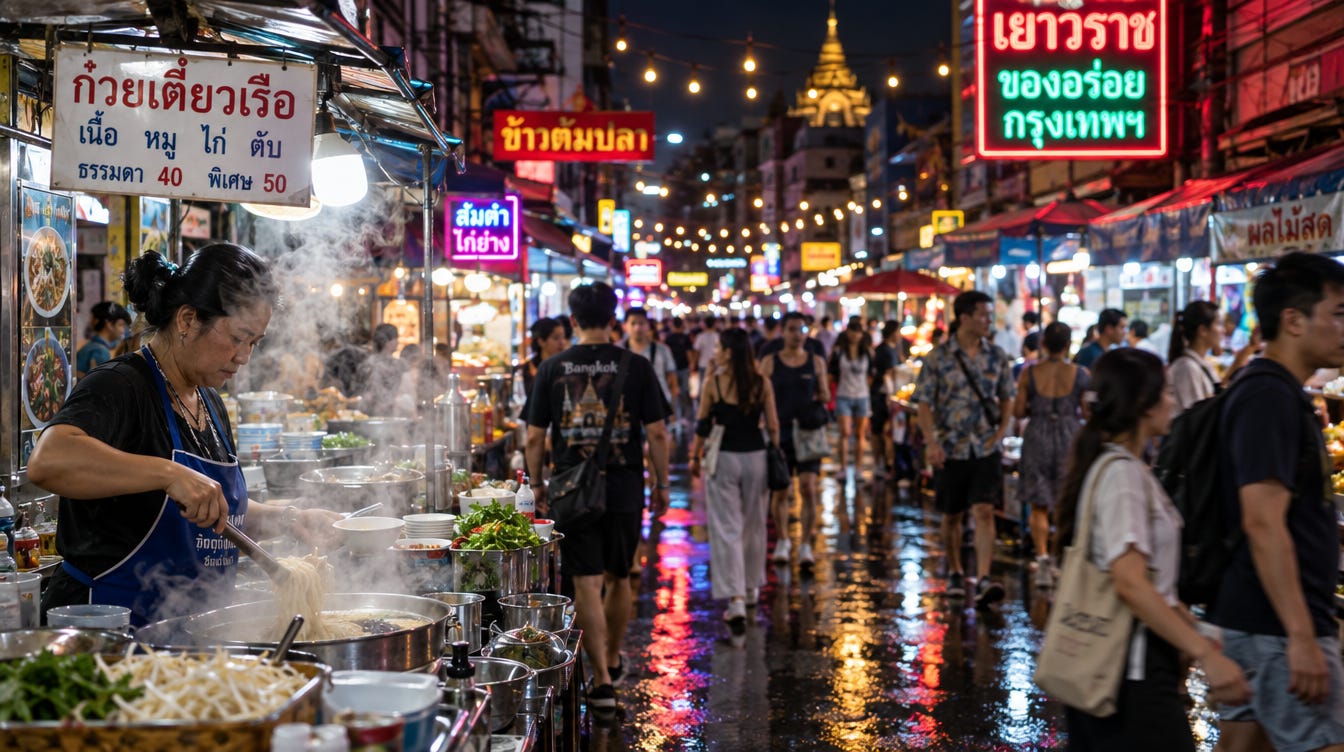
Image generated with GPT Image 2.0 (Quality: High, Resolution: 1K, Duration: 58 seconds).
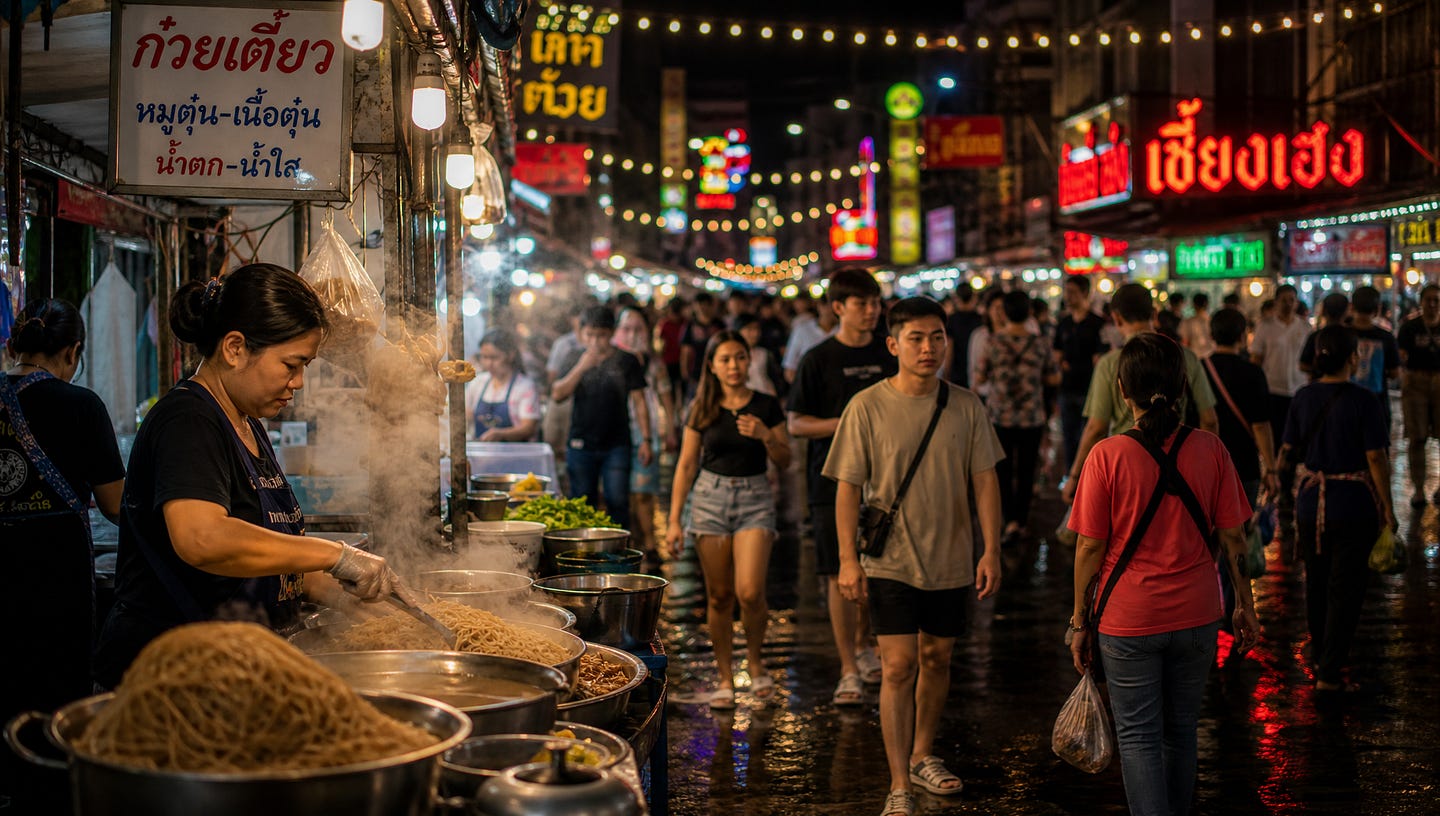
This prompt is heavy on purpose: wide scene, lots of people, depth of field, reflections, and text. Latency gaps show up on complex scenes far more than on a single centered object.
As for the speed, you can clearly see from the comparison above. GPT Image 2.5 is twice as fast as GPT Image 2.0. In terms of quality, I prefer the ones generated with the 2.5 model because of the added blur on the moving subjects and the more realistic depth.
Test 2: Reference fidelity
Prompt: Using the attached photo as reference, place the same person in a 1970s film-photography portrait. Standing in a sunlit kitchen with wood cabinets and patterned wallpaper, wearing a brown corduroy jacket over a cream turtleneck. Warm color cast, visible film grain, slight halation around the window light. Keep the face, hair texture, and build exactly as they are in the reference.
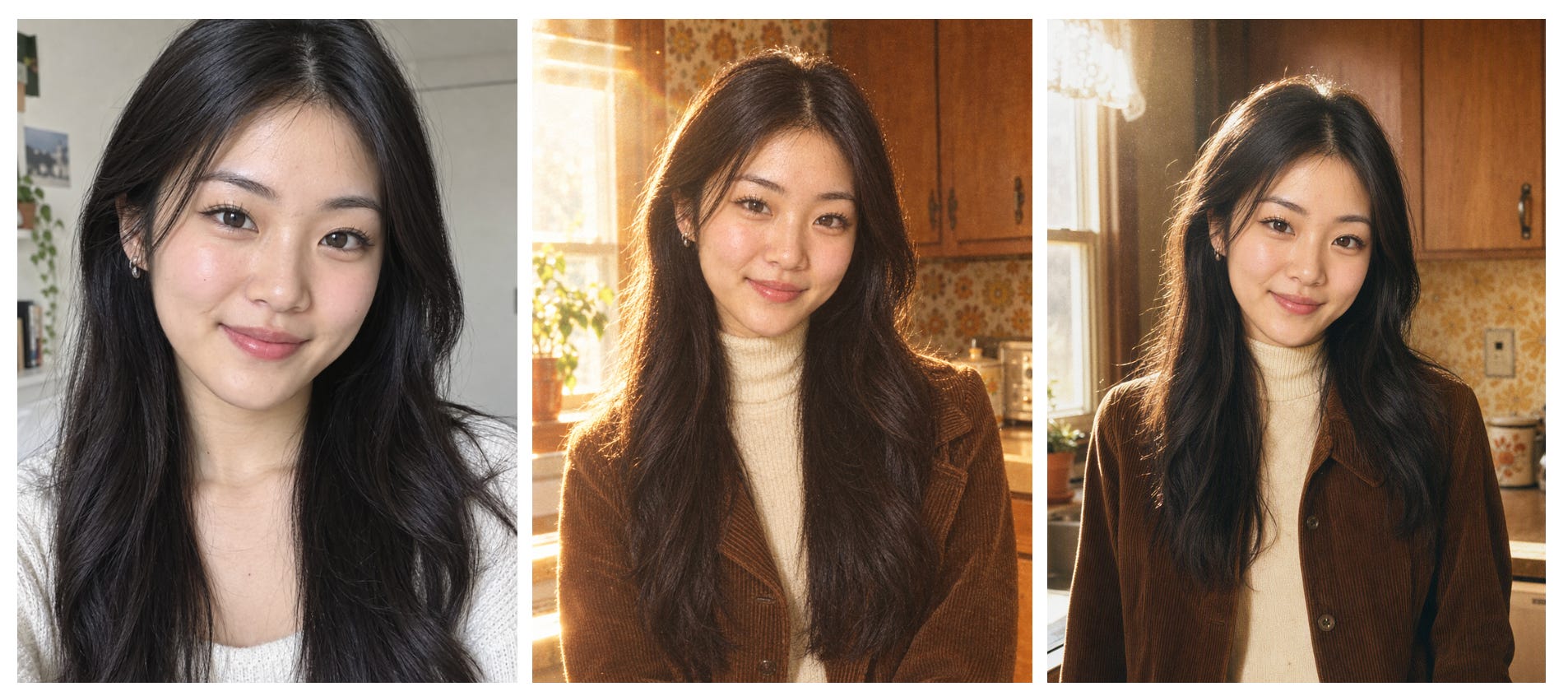
Attach the same reference photo to both. The 1970s styling isn’t the point. The point is whether the person still looks like the person once the style gets applied.
Look at specifics: the shape of the nose and jaw, the spacing of the eyes, any moles or scars, the exact hair texture. Models love to smooth all of that into a generic attractive face, and heavy stylization is usually where identity goes missing.
2.0 gave me a face in the right neighborhood but noticeably slimmer, with a different jaw and much tidier hair than I actually have. 2.5 held the jaw and the hair texture, though it still smoothed out skin detail and made me look about five years younger. Better, not solved.
You can also combine multiple image inputs and maintain the likeness of each subject in the final result.
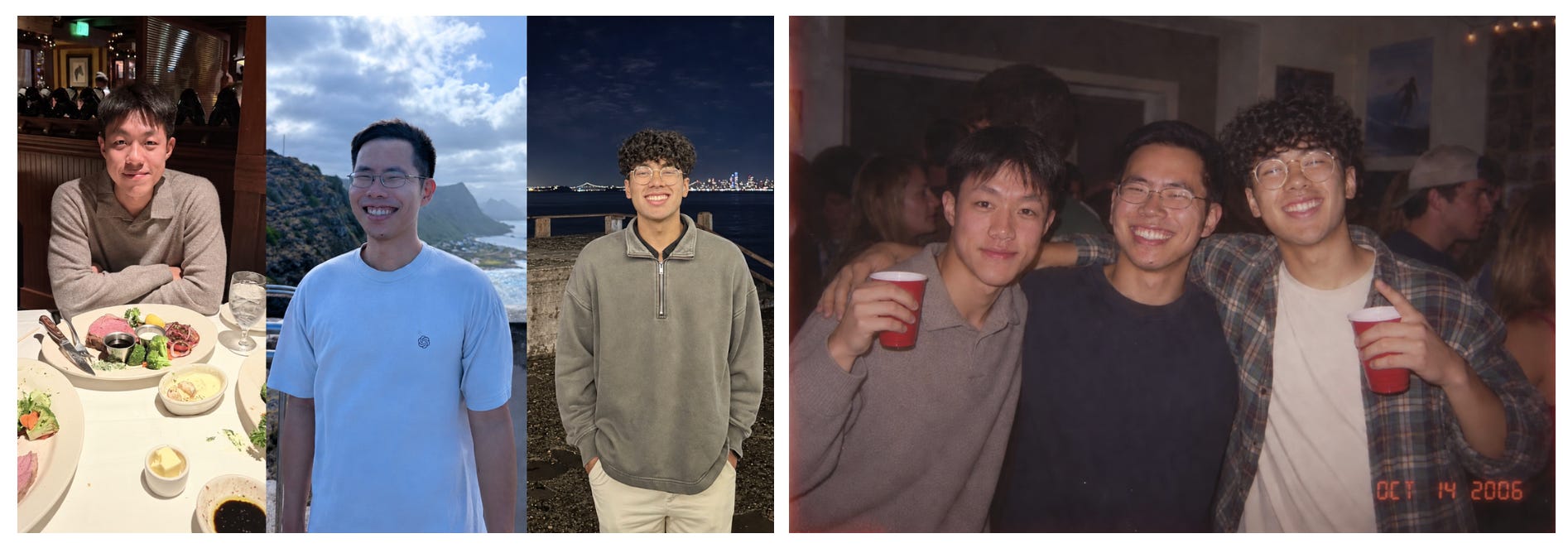
Prompt: Three smiling men pose shoulder to shoulder at a crowded indoor party, with the men on either side holding red cups.
Image subjects look more recognizable, lighting and textures feel more natural, and distinctive features are more likely to carry through.
Let’s do another one.
Prompt: Generate a product photo of a matte black ceramic coffee mug on a light oak table, soft window light from the left, minimal styling, one sprig of eucalyptus beside it, shot from a low three-quarter angle.
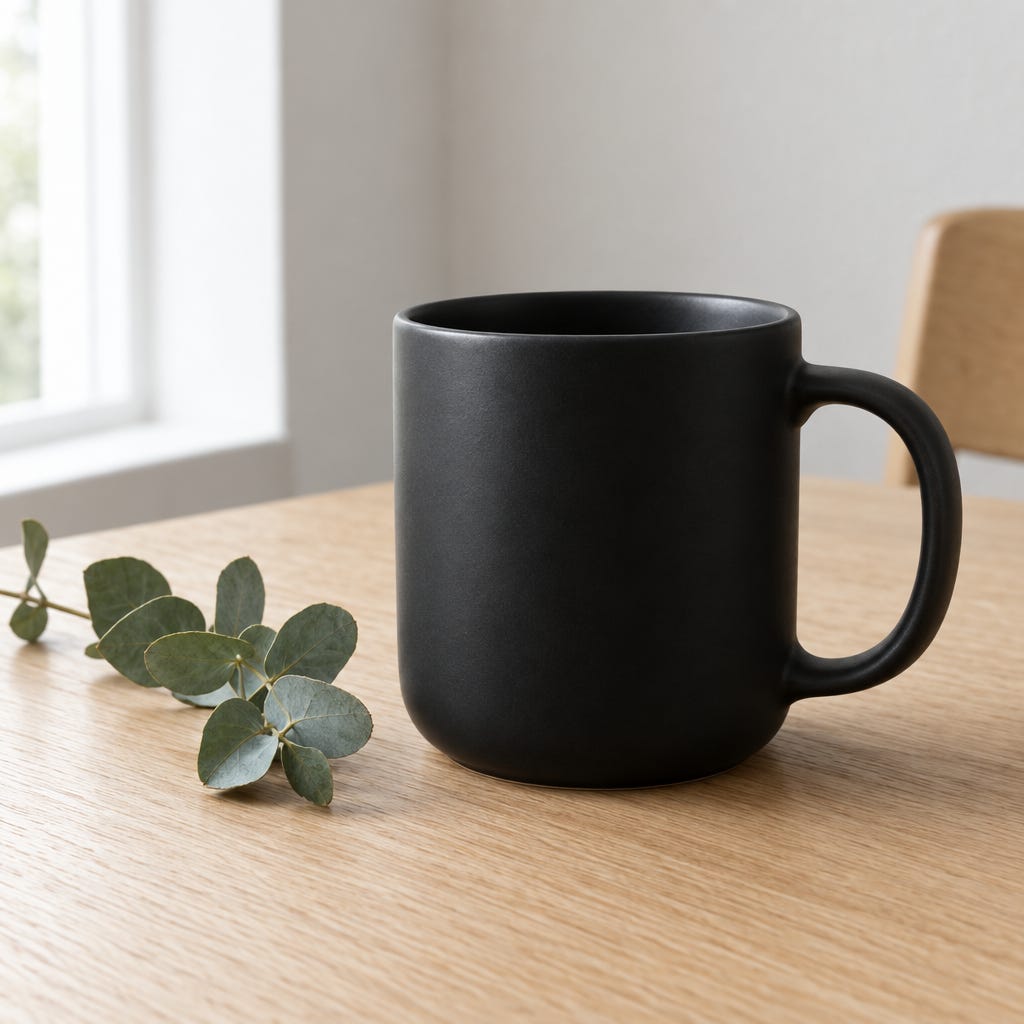
Then run four edits in sequence, in the same conversation, without regenerating:
Change the mug to deep forest green and slightly turn the mug 30 degrees to the right
Add steam rising from the mug and slightly turn the mug 45 degrees to the right
Move the eucalyptus to the right side of the frame and slightly turn the mug 65 degrees to the right
Make the window light warmer, closer to golden hour, and slightly turn the mug 90 degrees to the right
Here are the changed images:
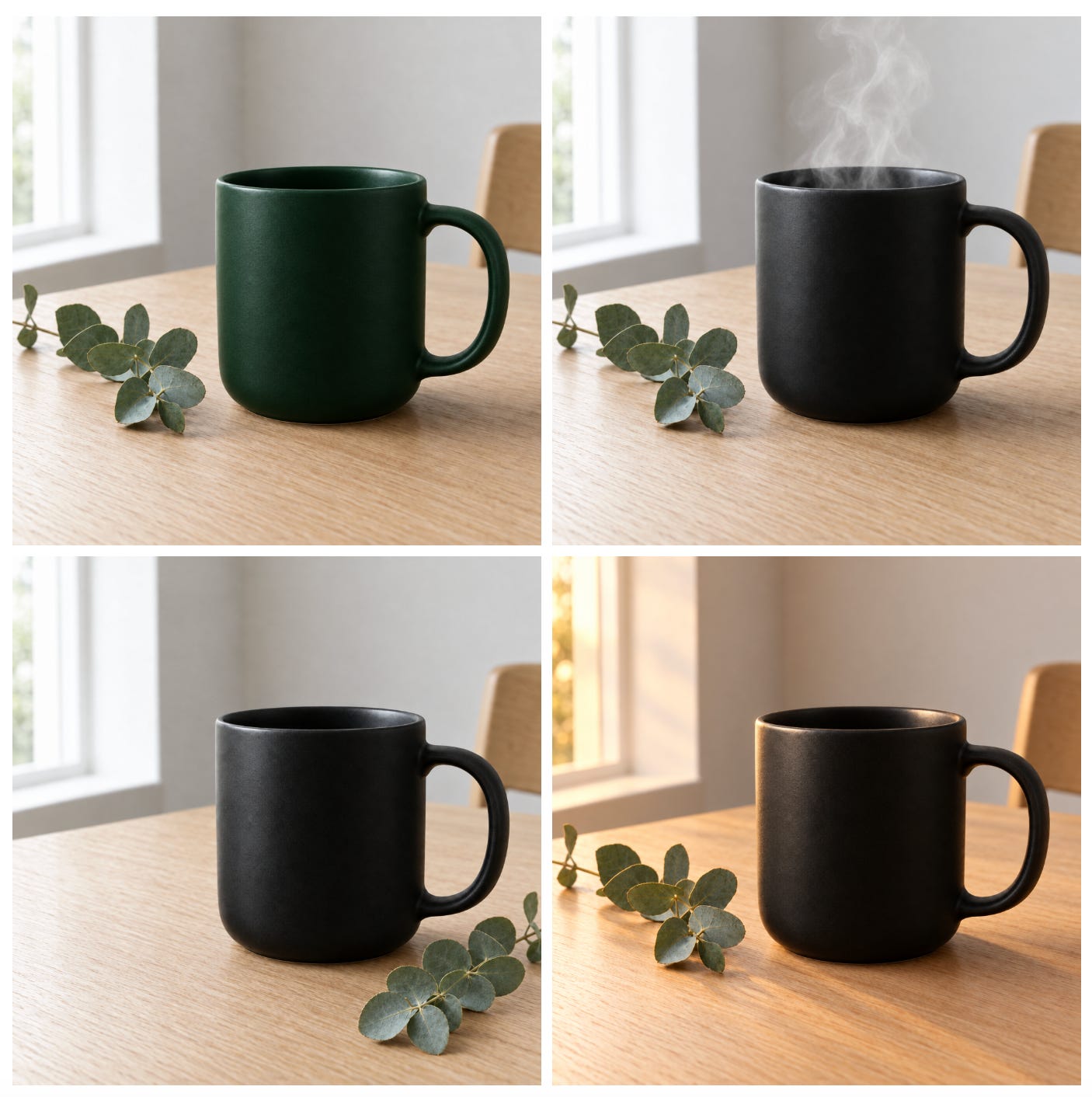
Notice how consistent the mug is in every shot. This example highlights the model’s improved ability to follow precise editing instructions. I can go on and ask the model to make more advanced edits, like adding logos and even changing the subject’s shape.
Test 3: Multi-turn consistency
Another improvement to the new image model is consistency. When you have a stack of edits to an image, a new edit builds on the work you’ve already done without degrading image quality over time.
Let me show you an example. Start with a single full-body reference.
Prompt: A full-body portrait of a young woman standing straight, facing the camera directly, arms relaxed at her sides.
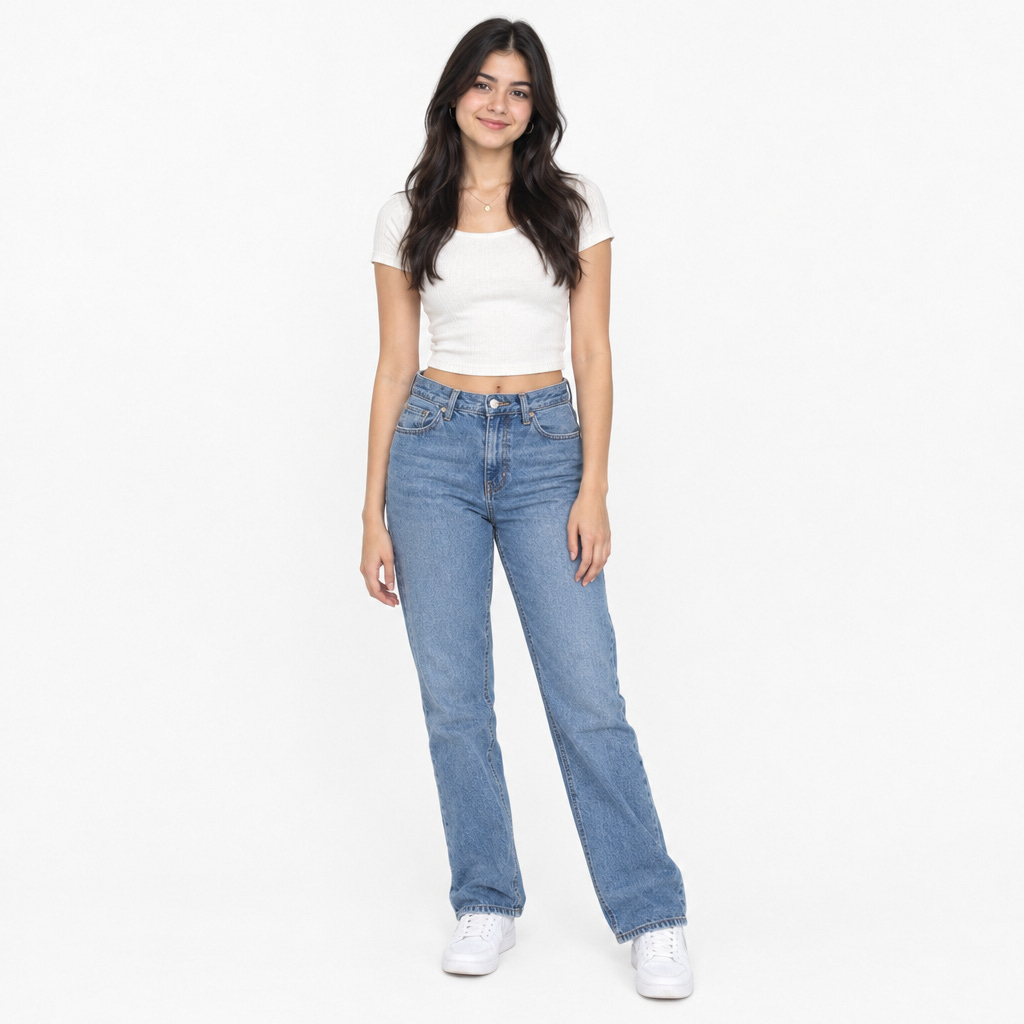
Then ask it to turn her, one step at a time, in the same conversation:
Turn her 45 degrees to her left.
Turn her another 45 degrees, so she’s at 90 degrees from the original.
Turn her to 135 degrees.
Turn her to 180 degrees, so she’s facing directly away from the camera.
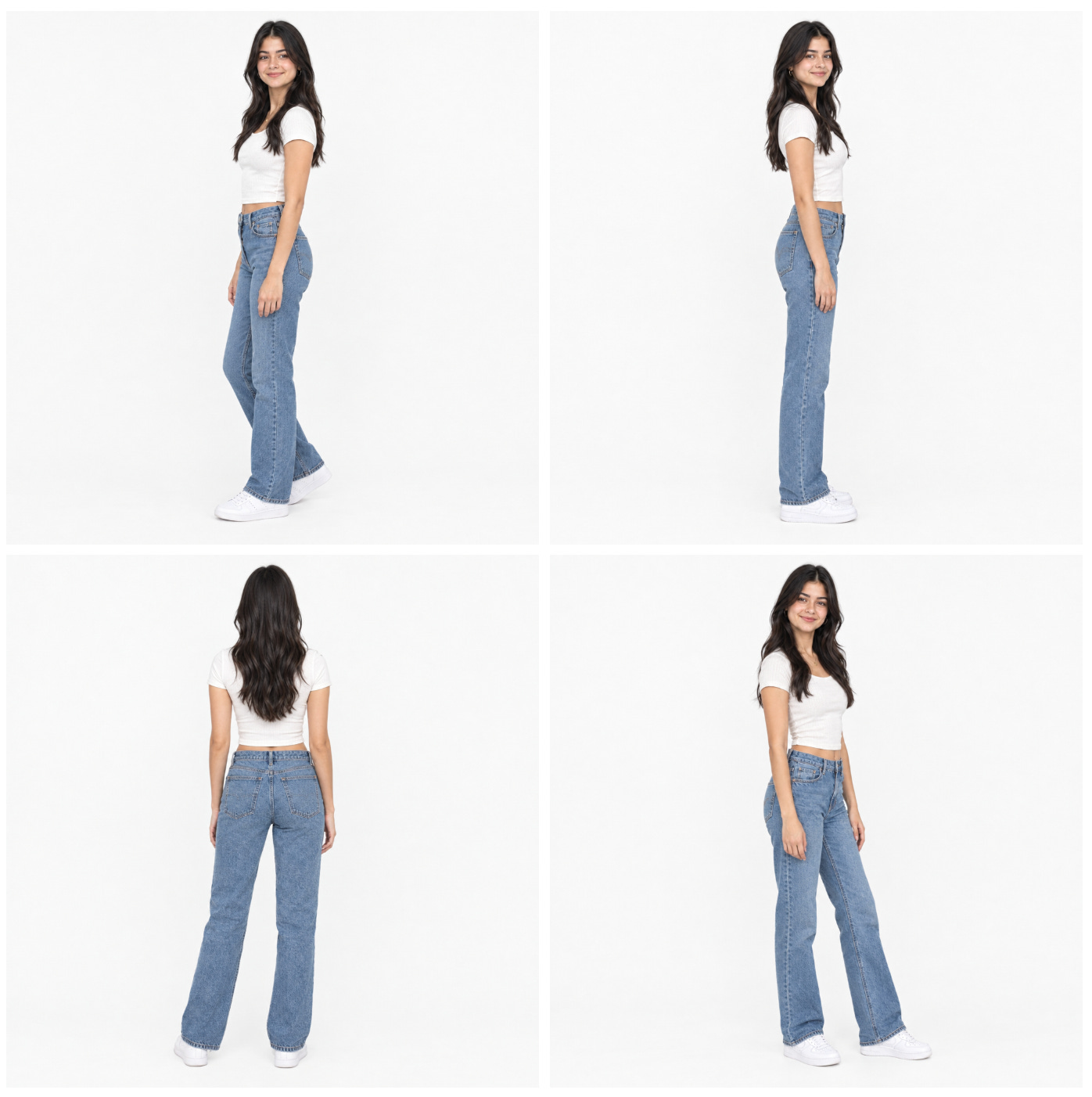
Rotation is brutal on these models because nothing in the reference tells them what the back of her head looks like, or how the sweater sits across her shoulder blades, or where the seams on the jeans fall.
The model has to invent all of it and then keep it consistent with what it already invented two turns ago.
The character is incredibly consistent across all the different angles. All aspects of her face, body, and clothes are the same. If you can create images of her in more specific angles, you can basically make a smooth GIF out of it.
This is the power of the new GPT Image 2.5. Previously, models would be able to reimagine an image from a different angle, but the results are often a little different from the reference image.
Test 4: Comment-based editing
This test is not really about raw output quality. It is about how many attempts it takes to hit your target, and whether the model stays focused on the element you want to adjust without accidentally altering the lighting, the background, or the subject beside it.
When you are creating inside Pollo AI, this level of precision makes testing visual variations far more practical. Instead of burning through generation credits trying to coax the model into keeping the background intact, you can make deliberate adjustments to specific elements, compare the iterations side by side in your history tab, and settle on the exact look you need.
That controlled precision becomes even more valuable when you take advantage of Pollo AI as an all-in-one workspace. Once you dial in a clean, consistent image variation that preserves every key detail, you can immediately push it into Pollo AI’s video tools to animate the scene, add cinematic camera movement, or build a narrative sequence without worrying about visual drift from sloppy edits.
Which Model to Choose Based on Your Creative Goal
Having both models available inside Pollo AI gives you flexibility, but you do not always need to jump to the latest model for every task. Your choice comes down to what you are building, your timeline, and how you manage your credits.
When to Use GPT Image 2.0
GPT Image 2.0 remains a great model for single-pass generations. If your workflow involves writing a detailed text prompt, generating four variations, picking the best one, and downloading it without further modifications, 2.0 handles the job well.
It is particularly well-suited for:
Conceptual art and mood boarding where exact physical likeness is not required.
Stylized background illustrations and landscape backdrops for blog headers or social graphics.
Rapid brainstorming sessions where you want to explore wildly different visual directions rather than refining one subject.
If you are not planning to feed the image back into the model for five rounds of sequential edits, the baseline quality of 2.0 is more than enough for casual creation.
When to Use GPT Image 2.5
The moment your project requires continuity and token consumption isn’t a big deal, GPT Image 2.5 becomes a better choice.
It is the clear choice for:
Marketers and e-commerce creators who need a product to maintain its exact dimensions, branding, and color palette across various lifestyle environments.
Content creators and storyboard artists who need recurring characters across multiple scenes, camera angles, and wardrobe variations.
Professional headshots and social avatars where facial features, bone structure, and unique traits must look like the real person rather than an idealized stranger.
Multi-turn editing workflows where you intend to adjust elements sequentially.
If an image model turns your product or subject into an unrecognizable approximation after step two, it costs you time and wasted credits. In any workflow where identity retention is non-negotiable, GPT Image 2.5 is worth selecting every time.
Taking Your Images Further
Once you generate a consistent image you like, you do not have to stop at an image. One of the strongest advantages of Pollo AI is that it is an all-in-one AI platform.
You can take your freshly generated GPT Image 2.5 character or product shot and send it directly into Pollo AI’s video generation tools with a single click.
Hover over the input image and choose either “Add as Reference” or “Image to Video.” The reference image will automatically be added as an input image in the prompt field. Just describe how you want the video to be generated and choose your preferred video model.
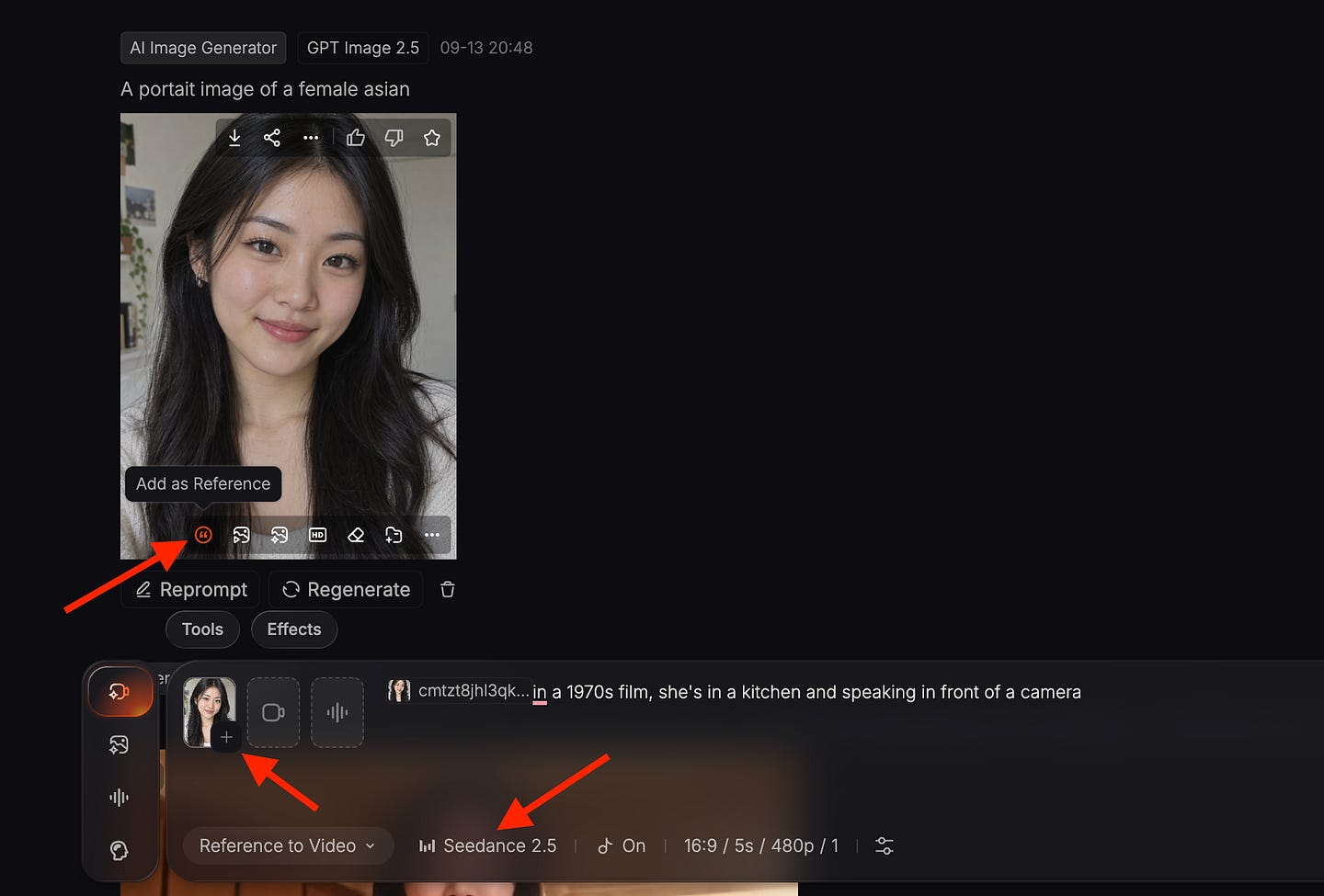
From there, you can apply camera motion, add cinematic lighting transitions, or animate your character while keeping the visual identity completely consistent.
Eliminating the friction of exporting files, re-uploading them to third-party animation tools, and dealing with mismatched compression makes the creative process smooth from start to finish.
Why should you care?
It depends on what you use these tools for.
If you generate one-off images from text prompts and never edit them, this update does very little for you beyond shortening the wait. Raw quality on a single generation sits about where it was, and diffusion tools still look better out of the box for pure aesthetics.
The people getting real value are usually the ones who are doing iterative work. Anyone who builds an image and then refines it ten times has had this same problem for two years. I know this because the things that GPT-2.5 Image solved, like visual fidelity and subject consistency, have been some of the things I’ve always wanted in an AI image model since 2024.
Reference fidelity matters most for anything involving real people. I mean, people who work in marketing, photography, and social media. Client headshots, personal projects, product shots where a specific item has to stay itself. A model that turns your subject into a generic approximation is useless for that work, no matter how nice the output looks.
For developers, GPT Image 2.5 is also accessible via API. Here are Pollo AI’s pricing details in case you’re interested.
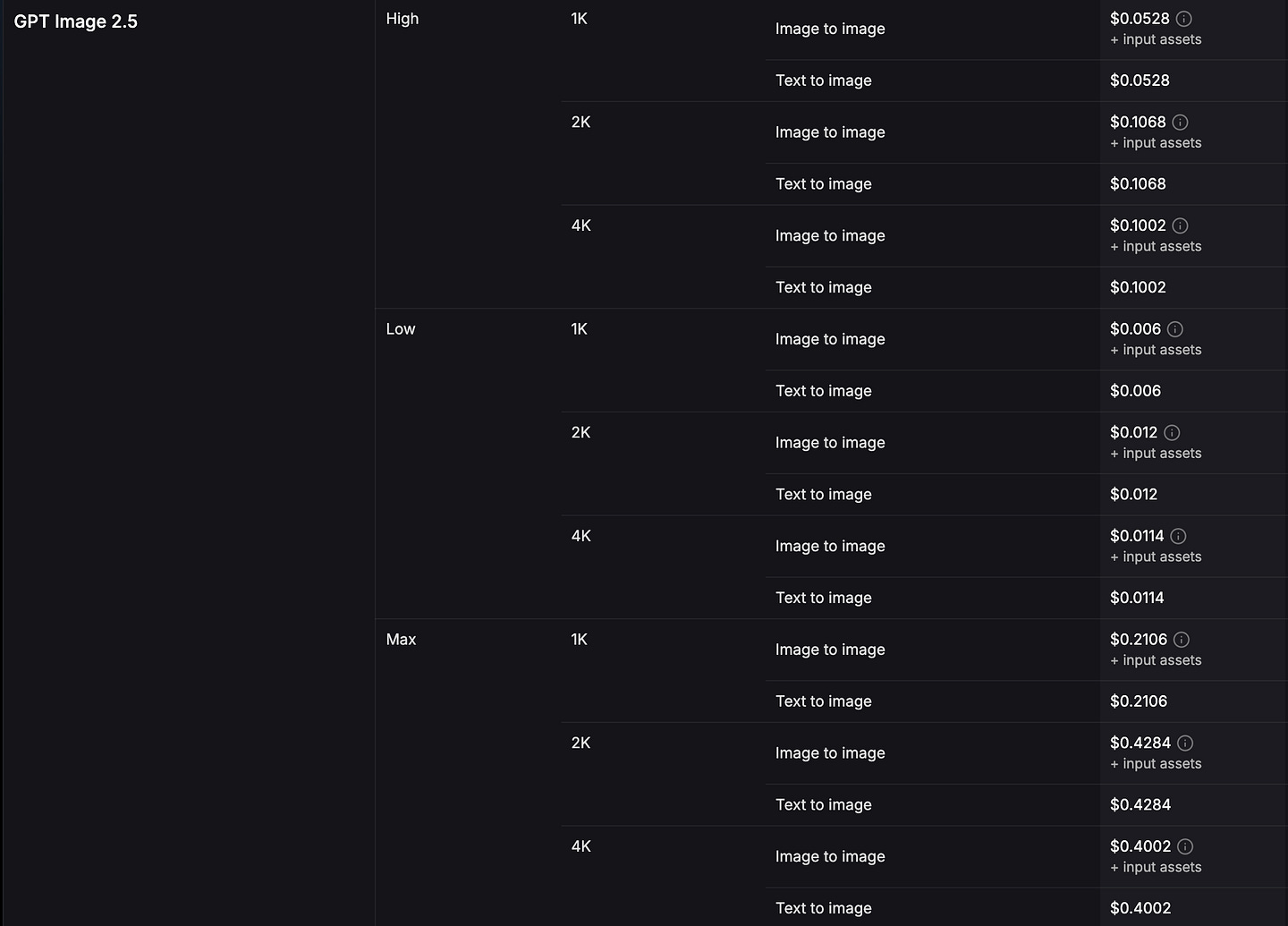
If you want to test these models in a more flexible workflow, you can access and compare them directly in Pollo AI alongside other popular image and video models.
Rather than relying on a single tool, you can experiment with the same prompt, compare the results, and choose the approach that best fits your creative goal.
Final Thoughts
The interesting improvements in image models have stopped being about the pixels.
Nobody is claiming 2.5 makes more beautiful images than 2.0, including OpenAI. What it does is stay out of your way. Faster, so you iterate more. Steadier, so your fifth edit doesn’t undo your first.
Those are usually the subtle improvements, but in a way, the most useful ones. It’s probably where these tools go from here now that baseline quality is good enough for most work.
I’d also like to give props to platforms like Pollo AI for providing a tool that makes users do more with the model. You can basically take your AI-generated images to the next level by transforming them into videos or even full feature films in a single platform.
Run the four tests above on your own reference photos before deciding whether it’s worth changing your workflow. Test 3 will tell you more in ten minutes than any review will, including this one.
Alright, that’s about it. What other models would you like to see me test on Pollo AI? Let me know in the comments.
Hi there! Thanks for making it to the end of this post! If you enjoyed this content and would like to support my work, consider becoming a paid subscriber. Your support means a lot!